The Velvet Trap Playlist
A 1935 mood playlist for The Velvet Trap: dance-band glamor and torch-song ache.
Historical Archive
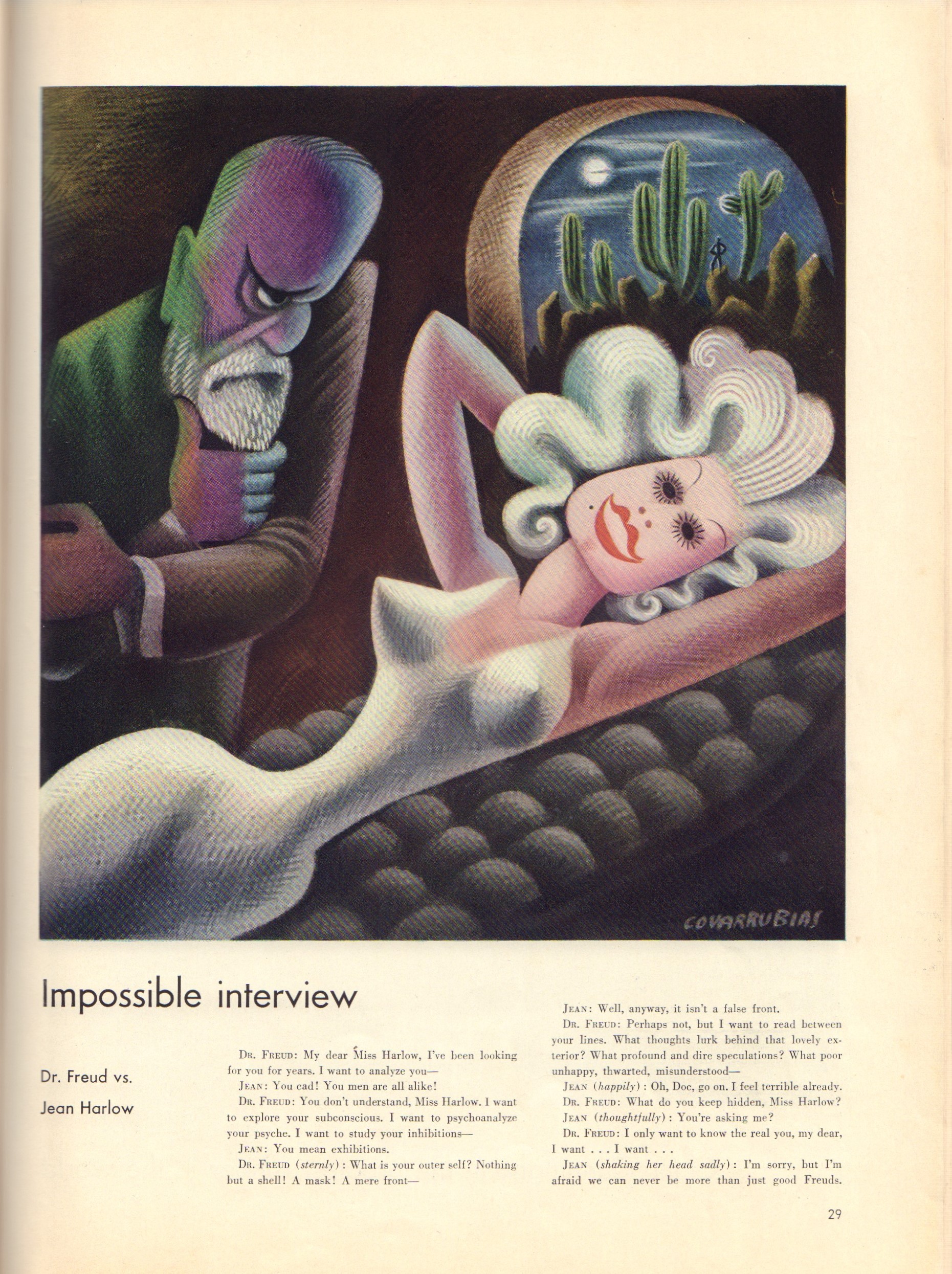
Eddie belongs to the popular culture of pulp magazines, jazz rooms, newspapers, erotica, stag reels, and bar talk. Eleanor belongs to the curated world of psychoanalytic journals, case histories, classical music, oil painting, museums, and professional diagnosis. The Velvet Trap brings those worlds together: popular culture becomes analytic material, academic knowledge becomes erotic charge, and both women learn to see desire through each other.
Listen while you read
Start the playlist before you enter the archive. Immerse yourself in a world moving from Prohibition to Swing - urban, polished, hungry.
Playlist & ScrollSome historical sources use pathologizing or offensive language about sexuality and gender.
 Music
The Sound of the Trap
Songs and orchestral works heard, remembered, or implied in the novel.
Music
The Sound of the Trap
Songs and orchestral works heard, remembered, or implied in the novel.
 Censored texts
The Forbidden Library
Censored novels, erotic manuals, and books kept out of plain sight.
Censored texts
The Forbidden Library
Censored novels, erotic manuals, and books kept out of plain sight.
 Diagnosis & theory
The Case History of Desire
Sexology, psychoanalysis, inversion, neurosis, and perversion.
Diagnosis & theory
The Case History of Desire
Sexology, psychoanalysis, inversion, neurosis, and perversion.
 Visual archive
Bodies & Looking
Paintings, photographs, and images that shape the novel’s gaze.
Visual archive
Bodies & Looking
Paintings, photographs, and images that shape the novel’s gaze.
 Religion & punishment
Saints, Shame, and Ritual
Catholic prayer, martyrdom, confession, and the imagination of discipline.
Religion & punishment
Saints, Shame, and Ritual
Catholic prayer, martyrdom, confession, and the imagination of discipline.
 Life in 1935 Chicago
How they lived
Films, recordings, and practical fragments of 1935.
Life in 1935 Chicago
How they lived
Films, recordings, and practical fragments of 1935.
The sound world of The Velvet Trap captures the personalities. For some, there is smoke, flirtation, and performance. For others, there is discipline, longing, and reflection. (If a Spotify player does not appear in Chrome, use Spotify Playlist or try another browser.)
A 1935 mood playlist for The Velvet Trap: dance-band glamor and torch-song ache.
Before it became film noir, it was magazine pulp: hard-boiled detectives, dangerous women, and crimes tangled in sex, money, and power.
by C. C. Spruce.
A pulp magazine sequence from the world Eddie reads and studies. Cover, table of contents, story pages, and the comic Sally the Sleuth by Barreaux.
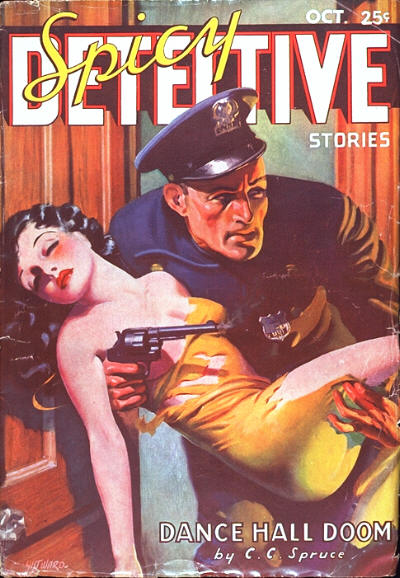
Dance Hall Doom is the story Eddie describes to Eleanor, adding her own "improvements." She also shares the story with Violet before she tells her she's publishing her own story Midnight Mirage, about Detective Jack Mercer, a dark hero with a dirty past.
Select a page from the left to read it in the larger viewer.
Erotic manuals and censored fiction that shaped the novel's secrets.

The foundational literary text for erotic submission, domination, cruelty. Sacher-Masoch gave the fantasy a scene and "masochism" its name.
“Do with me what you will, make of me your husband or your slave.”
The book belongs to the same world as Eddie’s restraint and permission and Eleanor's submission and pain. The book accompanies Eleanor's explanation of erotic surrender to Eddie.
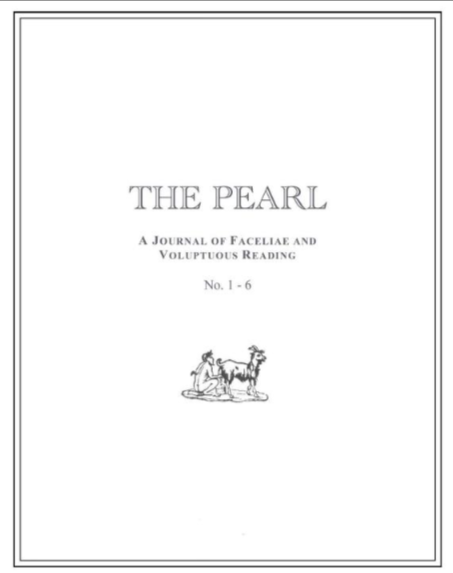
Victorian pornography, bawdy songs, erotic poems, foklore, ribald rhymes.
...to handle, feel, and revel in such a luxuriously covered pussey and bottom excited me more and more every moment; then the fiery touches of her tongue on my own burning orifices so worked me up that I spent allover her mouth...
Eddie reads to Violet from MISS COOTE’S CONFESSION, OR THE VOLUPTUOUS EXPERIENCES OF AN OLD MAID.
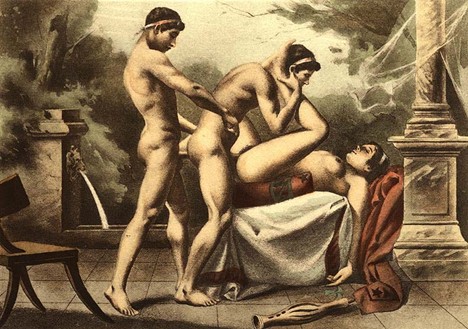
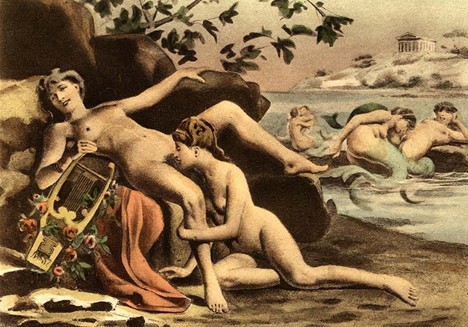
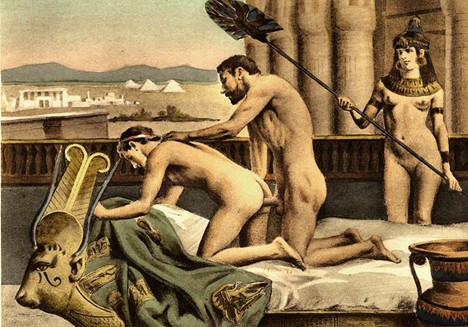
A privately printed English edition of Forberg’s catalogue of erotic practices. Forbidden acts are filtered through the respectable languages of antiquity and scholarship.
“But you have inundated my garden; I am all bedewed! What have you been doing, Tullia?”
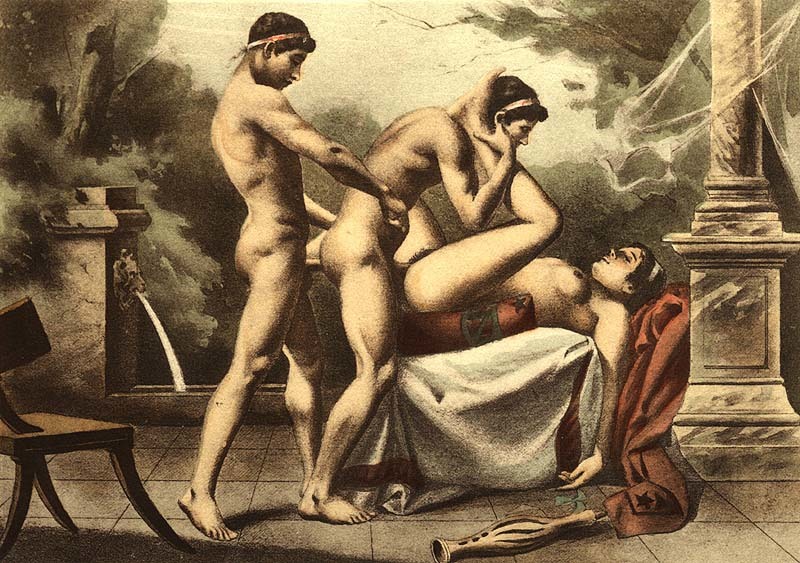
Eddie reads the Tullia and Ottavia dialogue aloud to Violet in the library. Eleanor is drawn to the illustrated French edition, which she shares with Eddie.
Privately printed in English in 1928. Not legally available in an authorized unexpurgated U.S. edition until 1959. Erotic life inseparable from class, marriage, illness. The body as a protest against deadened respectability.
“A woman has to live her life, or live to repent not having lived it.”
The book is part of the modern literature of sexual candor and moral danger. Desire appears as a force that exposes what a respectable life refuses to admit.
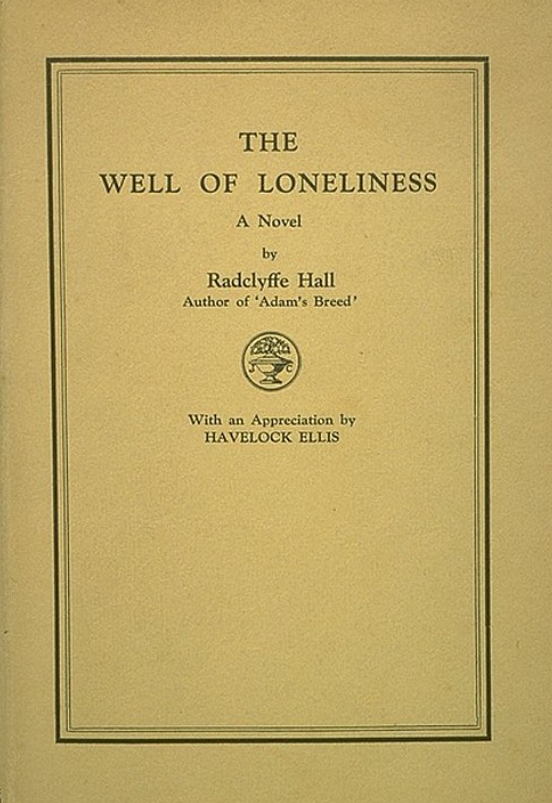
One of the most important forbidden books of the period. Lesbian life made visible through the loneliness, dignity, and social punishment. The scandal came from sympathy, asking readers to see forbidden desire as fate not a private vice.
“Give us also the right to our existence!”
A public controversy and a plea for recognition. The book highlights the danger around Eleanor and Eddie by showing how easily lesbian desire can be turned into evidence and diagnosis.
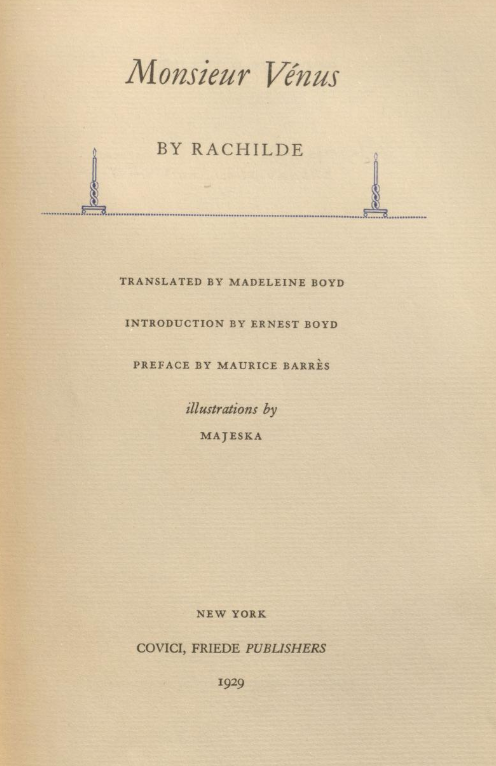
A decadent novel of gender inversion, class trespass, domination, and erotic transformation. Desire is remade, taking the masculine position and turning love into experiment.
“I am in love like a man!”
A vocabulary for role reversal and the theatrical making of a self. Deviance is stylish and conciously authored.
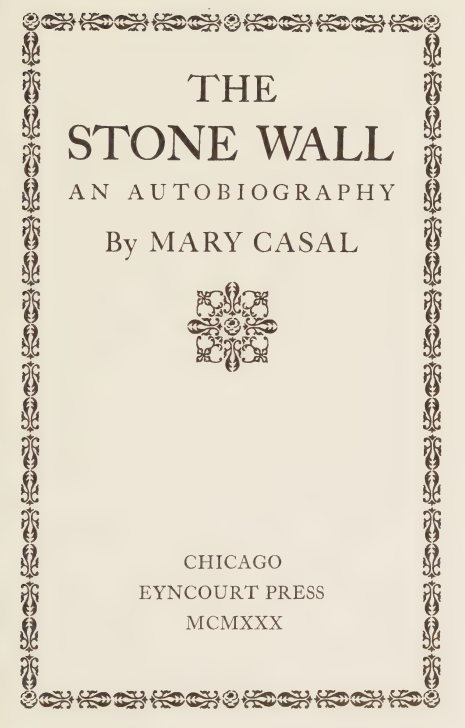
A rare early lesbian autobiography, published in Chicago before The Well of Loneliness had finished making its public scandal. Casal writes frankly about secrecy, masculine identification, childhood shame, and the strain of living a divided life.
“I have led two distinct lives all my life.”
Vivian keeps Casal’s book in the Velvet Trap library, where it gives Eddie another way to understand women who live outside ordinary names. Unlike the medical case history, The Stone Wall speaks in a woman’s own voice: defensive, wounded, proud, and determined to tell what secrecy has cost.
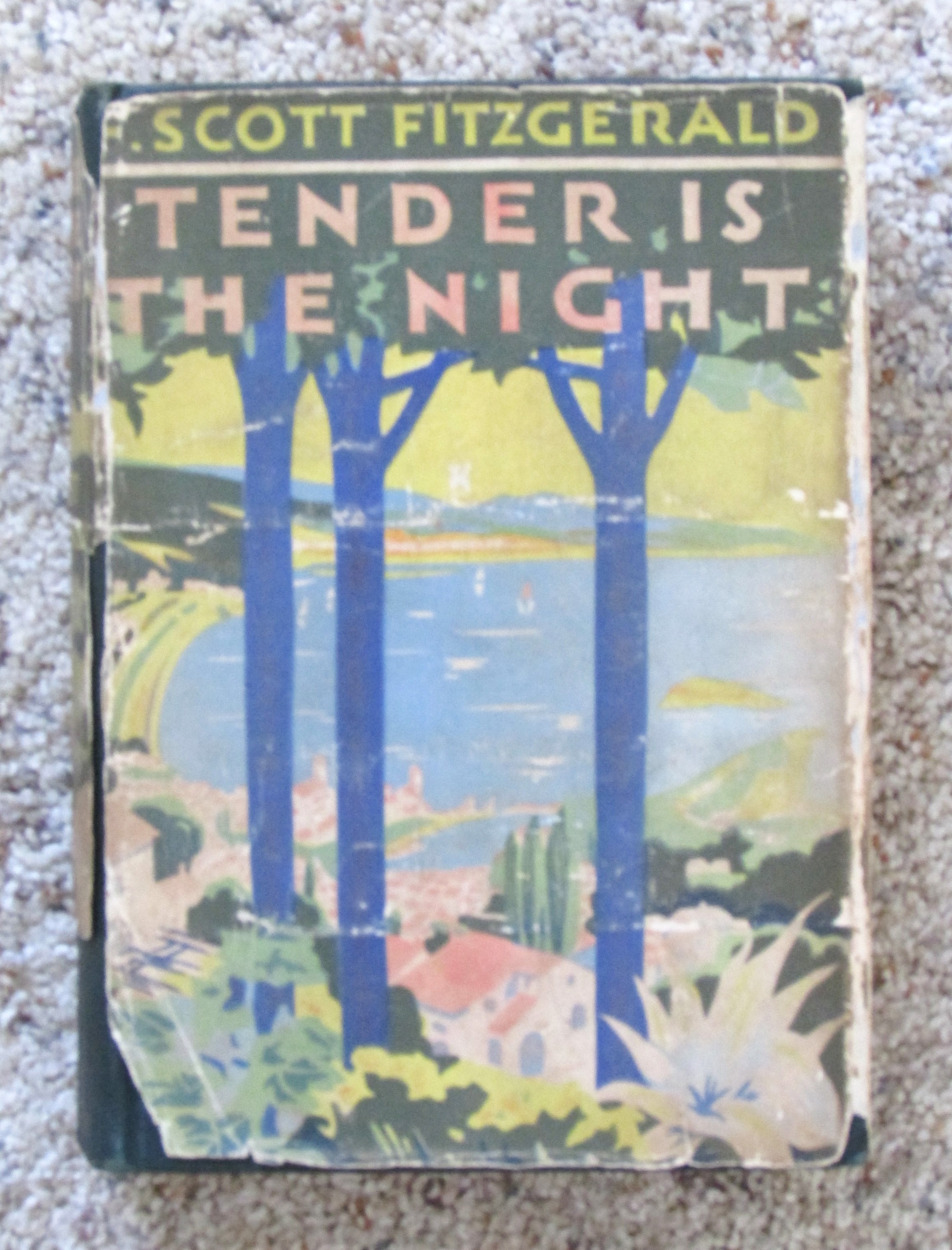
(Not a censored book.) Psychiatrist Dick Diver marries Nicole after being drawn into her treatment. In becoming husband, doctor, and father figure, he loses the boundaries that sustain him and eventually loses himself.
“Sometimes it is harder to deprive oneself of a pain than of a pleasure.”
Eddie carries the book in her satchel alongside the paddle she stole from Eleanor. Vivian quotes its line about pain and pleasure, while Fitzgerald’s damaged doctor-patient marriage shadows Eddie and Eleanor’s relationship. Eleanor points out Nicole wasn't actually Dick's patient.
Sigmund Freud brought psychoanalysis to the U.S. in 1909. In German.
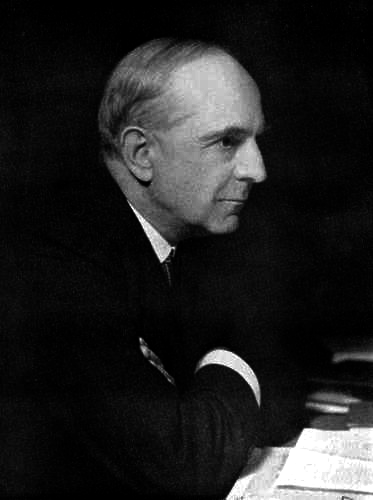
Jones turned Freud’s method from a foreign controversy into a discipline. He was a neurologist, founder of the British Psycho-Analytical Society, president of the International Psychoanalytical Association, and trained most of the first generation of British analysts — with enormous power to make and unmake careers. In the novel, Jones matters not only as Freud’s interpreter but as part of London's language of discretion and authority that follows Eleanor back to Chicago. Jones was both her supervising and training analyst.
Open at Internet ArchiveSexology and psychoanalysis supplied the period vocabulary of inversion, neurosis, perversion, and diagnosis.
Krafft-Ebing's categories of “contrary sexual instinct,” perversion, sadism, masochism, fetishism, and inversion helped shape the vocabulary of sexual deviance. Freud explicitly draws on Krafft-Ebing, while also transforming the material.
In the novel, Eleanor knows this book as part of the world that trained her, and its language of diagnosis and deviance press uncomfortably on her own life. Desire is speakable — and dangerous.
One of the major sexological texts through which early twentieth-century readers encountered homosexuality as a medical and psychological category. Ellis’s case histories gave same-sex desire a language of classification and diagnosis — a language that could seem humane for its time.
In the novel, Eleanor knows this literature as part of her training and culture, but she also knows its danger: the same language that lets doctors discuss forbidden desire can also be used to expose and condemn it. Eleanor reads to Eddie from CHAPTER IV.—SEXUAL INVERSION IN WOMEN.
Published in Paris by C. Carrington, this medico-legal compendium gathers a sexual taxonomy that treats desire as evidence: inversion, sadism, masochism, fetishism, and sexual crime become part of one diagnostic and legal vocabulary.
In the novel, this book disturbs Eleanor. It's primarily of interest in legal and institutional settings.
Freud’s early and disruptive theory of sexuality. Perversion is no longer treated only as a category of criminal, degenerate, or pathological persons. Freud makes the more dangerous claim that perversity belongs to sexuality itself--in childhood, fantasy, symptom formation, and ordinary erotic life.
In the novel, this gives Eleanor a language that is more flexible than Krafft-Ebing’s taxonomy and more intimate than Ellis’s case histories. Freud lets her think about Eddie’s desire as history: shame, defense, childhood memory, and repetition.
Freud treats Norbert's irrational fascination with the figure of Gradiva as the return of repressed childhood memory and desire. Zoë enters the delusion rather than contradicting it, allowing forgotten love to become recognizable and she "cures" the patient.
In the novel, Gradiva gives Eleanor her first model for thinking about analytic love and cure. Love becomes part of what restores reality. But Freud also makes the distinction Eleanor struggles with: Zoë as "analyst" can share in Hanold’s love because she was its original object, but a professional psychoanalyst is a stranger.
Hirschfeld’s major sexological study treats homosexuality as a natural variation rather than a crime or degeneration.
In the novel, Eleanor can think differently about same-sex desire: still period-bound, still scientific in its claims, but less punitive. His work also carries the shadow of war. By 1935, the destruction of Hirschfeld’s Institute for Sexual Science by the Nazis makes this knowledge feel politically charged as the world was heading in a more conservative direction.
Freud’s central technical paper on erotic transference and analytic danger. The essay takes up the situation in which a woman patient falls in love with the doctor analyzing her, turning the consulting room into a site of longing and professional temptation.
In the novel, Freud gives the rule Eleanor knows she must obey: the patient’s love must neither be gratified nor dismissed, but held within the treatment. Eleanor knows the theory. She knows the warning.
Freud’s essay on beating fantasies is one of his most important papers on fantasy, punishment, and the formation of perversion. It traces how a childhood scene can be disguised and preserved as an adult erotic structure, where pleasure and humiliation become difficult to separate.
In the novel, this paper gives Eleanor a way to think about shame and desire. Eddie’s erotic life is about how childhood fear has been rearranged into ritual and control.
Freud’s major case paper on female homosexuality presents the desire of a young woman for an older woman. The essay is limited by its period assumptions, but it treats female homosexuality as psychically complex.
In the novel, this paper gives Eleanor a professional precedent for thinking about female desire, parental authority, identification, and forbidden attachment.
Not innate in the Hirschfeld “third sex” sense, but a psychogenic neurosis. Homosexuality as a neurosis that psychoanalysis may sometimes cure by uncovering blocked bisexuality and fear of the opposite sex until heterosexual love becomes possible. The neurosis arises from disgust for opposite sex, narcissism for a similar body, a retreat caused by sadism toward the opposite sex.
In the novel, Eleanor cites Stekel for his ability to "cure" homosexuality. This is a book Eleanor knows, uses cautiously, resists privately, and fears being measured by.
Wittels was Freud’s first biographer and an early member of the Vienna Psychoanalytic Society. His account presents Freud as commanding authority and the movement’s drift toward discipleship. Femininity, narcissism, homosexuality, and the “child-woman” shows psychoanalysis speaking boldly about sex while still turning women’s desire into a problem to be explained by men.
In the novel, Eleanor read Wittels as professional history and warning. By 1935 Chicago, the same problem has taken an American institutional form: psychoanalysis is becoming professionalized, policed, medicalized. Desire may be spoken, but only under supervision.
Writing from inside psychoanalysis, she questions the habit of treating female development as a derivative or failed version of male development.
In the novel, Horney gives Eleanor a language of resistance from within her own profession.
Freud’s short paper on fetishism became one of the central psychoanalytic texts on perversion as disavowal. Fetishism is a psychic arrangement built around loss, denial, and compromise.
In the novel, Freud’s paper offers Eleanor a theory of fetishism as structure, though it is tied explicitly to male development.
Jones’s paper is one of the major early psychoanalytic texts on female sexual development. The difficult question of how women’s desire could be described without being reduced to deficiency.
In the novel, one of Jones’s disguised clinical examples draws on Eleanor herself, turning her into psychoanalytic material. She knows the prestige of being close to theory, but she also knows the violence of it: she was the footnote.
A practical account of analytic technique from the London psychoanalytic world: the analytic situation, resistance, transference, interpretation, and the analyst’s own counter-resistances. Technique is disciplined procedure shaped by timing, restraint, and the handling of what the patient brings into the room.
In the novel, Glover belongs to Eleanor’s professionalism, the technical authority she respects and hides behind: the rules of the consulting room, the pressure of transference, and the danger that the analyst’s own wishes may enter the work.
Deutsch’s influential paper on femininity, frigidity, reproduction, and masochism. Written in the authoritative language of early psychoanalysis, the essay treats feminine development through penis envy, the castration complex, maternal fantasy, sexual inhibition, and the psychic relation between womanhood and suffering.
In the novel, this is a text Eleanor has to know, use, and resist. She can speak that language when she must: clinically useful, socially protected.
Ferenczi’s late and controversial paper on trauma, seduction, and the analyst’s responsibility to recognize the child’s language of tenderness rather than forcing it into the adult language of passion.
In the novel, Eleanor reads German and still follows the European analytic journals. Before this paper and throughout his oeuvre, Ferenczi gave a humane counter-tradition: more responsive, challenging the frame. However, citing him also exposes her. At the Institute, his active technique and his challenge to Freudian authority mark the line between courage and heresy.
A severe example of the period’s conservative psychoanalytic theory of women. Rado treats female sexuality through lack, penis envy, genital masochism, frigidity, fear, and failed adaptation to a prescribed feminine role. Female ambition, homosexuality, intellectual work, and resistance to men are pathology.
In the novel, this paper gives Eleanor the professional language she has to navigate even when she hates what it does. Rado belongs to the theoretical atmosphere pressing on her: womanhood as injury, desire as defect, and every refusal of heterosexual femininity as something to be explained away.
A major paper on what actually makes psychoanalysis work. Strachey argues that interpretation is not merely explanation, but a mutative act: a carefully timed intervention in the transference that lets the patient experience the analyst as different from an archaic feared or desired object.
In the novel, Eleanor shares a quote with Eddie before their first erotic encounter. The paper clarifies the power of interpretation, but it also exposes the risk: the analyst becomes the object of the patient’s impulses, and the treatment depends on whether she can survive that position without using it for herself.
An early essay at the border of psychoanalysis and anthropology. Is culture merely the background of psychic life, or are prohibition, ritual, and belief already part of the symptom before the patient enters treatment?
In the novel, Eleanor reflects on Opler in a case conference, a way to think about a racial encounter.
Horney’s challenges the assumption that masochism is naturally or essentially feminine. She turns toward culture, dependency, social training, and the ways women are taught to find safety, value, or love through self-sacrifice.
In the novel, this essay gives Eleanor crucial counter-language for thinking about punishment, erotic suffering, and the social training of women. How much of what appears to be feminine submission is created by the world that demands it?
Jones’s returns to one of the central disputes in psychoanalysis: whether female sexuality should be understood through lack, penis envy, and the phallic phase, or whether girls possess an earlier and more complex femininity of their own.
In the novel, the article arrives in the same months that she is trying to defend her own authority.
Alexander and Healy’s study shows psychoanalysis entering the worlds of medicine, courts, delinquency, and public order. Inner life becomes something that can be examined for criminality, abnormality, and social danger. Psychiatrists suggested that such disturbances were the cause of sexual deviance.
In the novel, this book gives the Chicago Institute for Psychoanalysis its authority through its first director, Dr. Franz Alexander. Alexander makes psychoanalysis powerful by making it useful to the institutions that classify, correct, and contain. Eleanor’s danger is less the psychoanalytic scandal than the lesbian relationship.
A strikingly modern paper arguing that reassurance isn't a failure of technique. Reassurance as a way to dose anxiety, support the ego, acknowledge reality, and make interpretation possible when a patient is too frightened, distrustful, or overwhelmed to use it. This is a lovely paper that threads theory and very likely personal experience with having every phastasy made into evidence--the author is the daughter of Melanie Klein.
In the novel, this paper gives Eleanor humane but dangerous professional language for what she already wants to do: answer the patient, ease panic, bend the frame, and believe that analytic care can include a real human response. It also highlights the conflict with Victor, who sees exactly how easily reassurance can become gratification, rescue, or enactment.
Franz Alexander and other analysts describe their work and knowledge of Freud and other luminaries in recordings preserved by the Library of Congress.
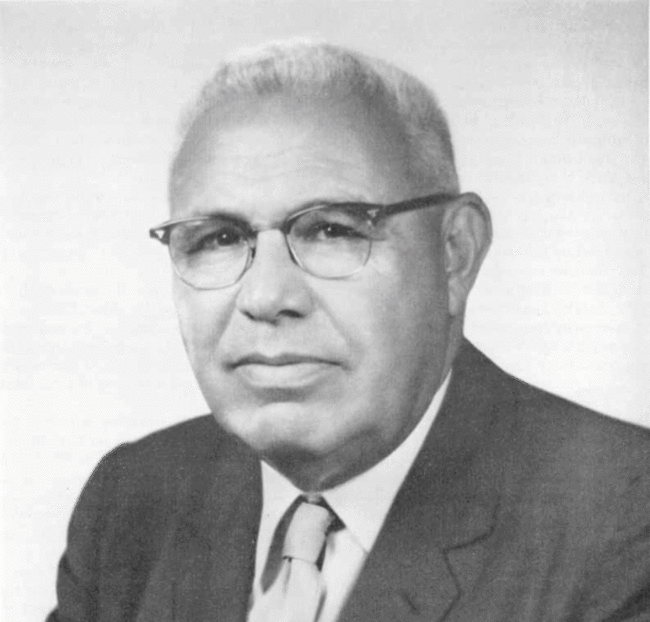
Franz Alexander, founding director of the Chicago Institute for Psychoanalysis and the first graduate of the Berlin Psychoanalytic Institute, underwent his training analysis with Hanns Sachs and became an influential associate of Freud.
In the novel, Alexander is the pragmatic and politically astute director of the Institute. Clinically, he advocates flexible technique, psychosomatic investigation, and attention to both the patient’s internal mechanisms and social circumstances. He recognizes Eleanor’s unusual ability to work with patients other analysts fear or judge. His protection is real but conditional.
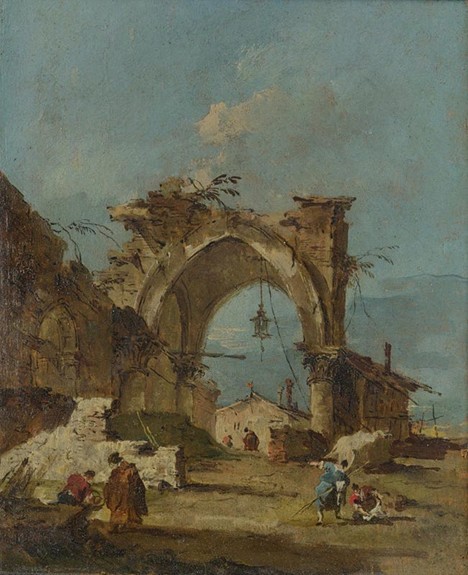
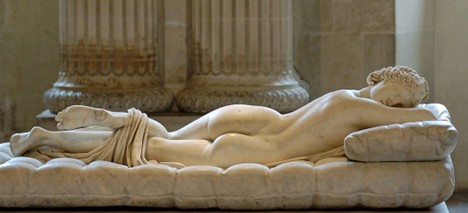
Paintings, illustrations, and photographs that shape the novel’s gaze.

.jpg)


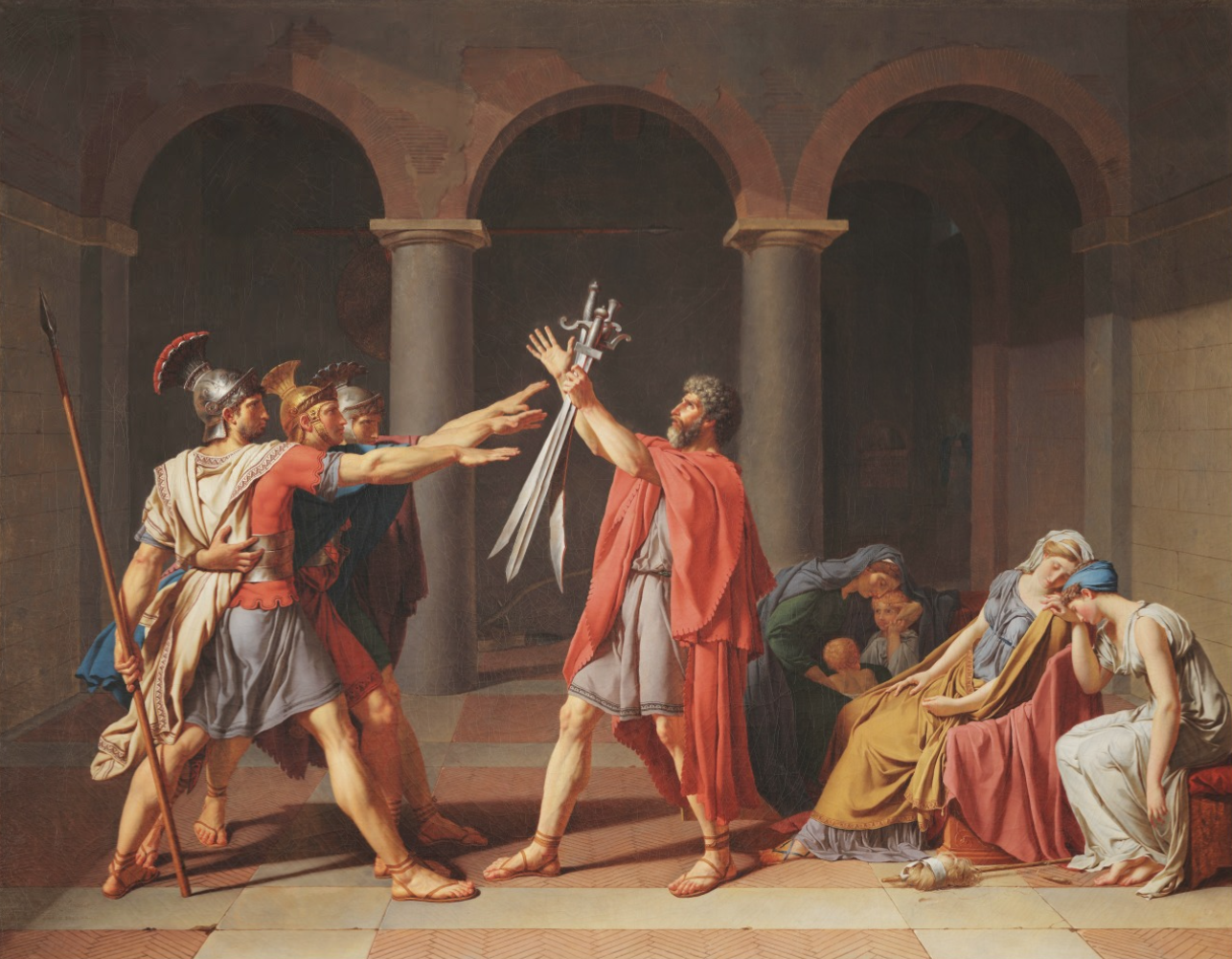
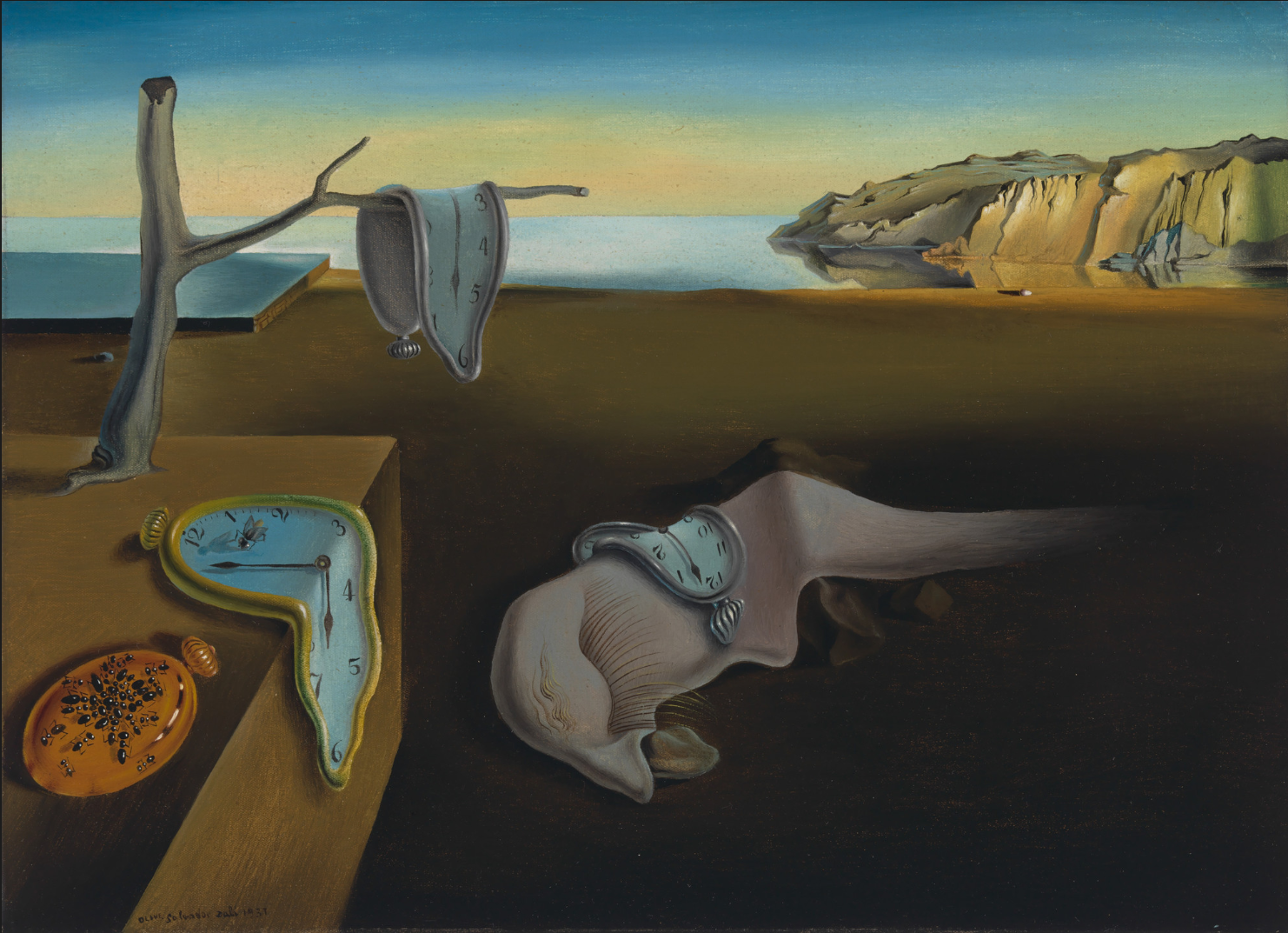
Religious language and ritual discipline form part of Eddie's emotional and symbolic inheritance.

The rosary is a prayer of repetition: bead after bead, decade after decade, while the mind returns to the same words. For Catholics of Eddie’s world, it belongs to private devotion, family discipline, parish life, and the long habit of obedience.
In the novel, Eddie’s rosary is something held, counted, worried, and carried. Its rhythm echoes the other rituals that shape her—confession, penance, restraint.

A lay missal used by Catholics to follow the Traditional Latin Mass from the pew. With Latin prayers and English translation, books like this helped parishioners track the priest’s words, feast days, responses, and ritual movements.
In the novel, Violet carries a hand missal and follows along at Mass. The book belongs to the world of parish respectability: gloves, veils, kneelers, and the management of what a woman appears to be.
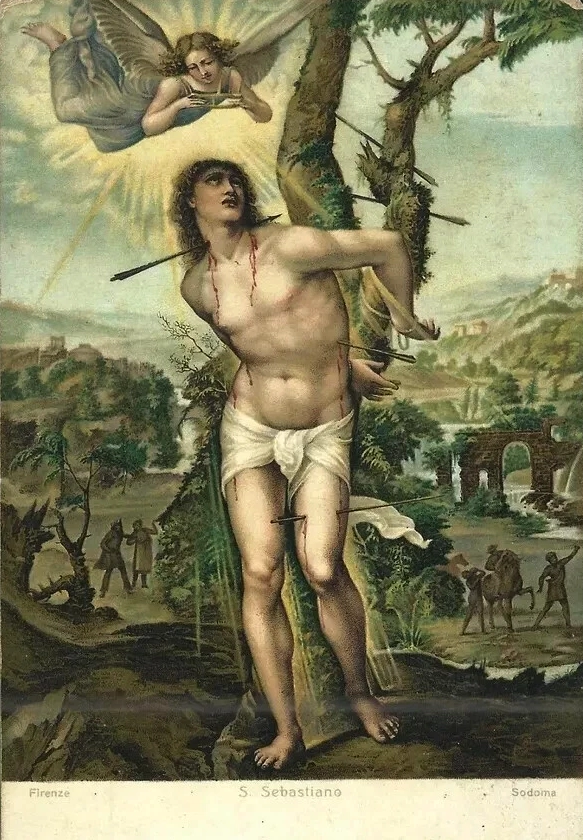
A saints' life tied to martyrdom, beauty, bodily suffering, and the religious imagination of the punished body.
In the novel, Eddie makes an allusion to Saint Sebastion surviving the Arrows with respect to how she dealt with her mother.
A private devotional litany to Sebastian as martyr, soldier, sufferer, and protector against plague. Its older Catholic language gives Eddie a form of speech shaped by obedience, endurance, and bodily suffering.
In the novel, Eddie’s attachment to St. Sebastian isn't abstract piety. The arrows, the wounded body, and the repeated response become a way to speak pain without naming desire directly.
Films, recordings, and practical fragments of 1935.